
You are here:

Custom enterprise software development services

Engineered for the systems your business can’t afford to get wrong. Built by senior engineers and governed by people who stay on the project from kickoff to year three.

Enterprise software tends to become most visible when something breaks: reporting delays, failed integrations, security gaps, infrastructure instability, or processes that no longer scale with the business. In many organizations, these issues are symptoms of systems that evolved faster than the architecture behind them.

Studies show:

  • Nearly 40% of enterprise systems already operate under the pressure of accumulated technical debt, according to Gartner.
  • Enterprises are estimated to lose $370 million each year due to outdated technology, as reported by ITPro.

This is where enterprise software development services can help. In some cases, modernizing existing infrastructure is enough. In others, developing custom enterprise software from the ground up is a more stable solution.

Whatever limitations exist within the current system, the Bamboo Agile team is ready to identify the underlying architectural issue and address it with the right technical approach. For over 20 years, we have partnered with enterprises like Telekom Austria Group, Orange, or SANOFI, to build and modernize enterprise solutions, using delivery practices aligned with ISO 27001 standards.


We start by analyzing the current production environment – operational services, data flows, integrations between systems, and how the system behaves in the face of real-world traffic and disruptions. Next, we identify where the architecture and business requirements no longer match. The result is a specific technical picture of the limitations and options, including what can be safely changed and what will fail during modification.

We build custom enterprise systems that replace or extend existing internal tools and services. This can include backend systems for core business processes, internal platforms for operations teams, APIs between legacy and modern systems, and integration layers that connect fragmented enterprise infrastructure.

We work with systems where change is risky because everything is already coupled. The task is to isolate critical paths, remove tight dependencies, and rebuild only where it reduces operational risk. Depending on the system, legacy modernization can mean refactoring the codebase, re-architecting toward services, replatforming to a modern runtime, encapsulating legacy components behind APIs, or migrating to cloud or hybrid infrastructure. Each path includes data handling, service decomposition where needed, and controlled cutover to cloud or hybrid environments without breaking live processes.

We connect AI models to internal data sources, embedding them into operational applications, and using them inside workflows such as request handling, document processing, search, or decision support. Depending on data sensitivity and accuracy requirements, we can work with proprietary models (e.g., OpenAI GPT, Anthropic Claude, Google Gemini) and open-source models (Llama, Mistral, Qwen) deployed on private or on-premise infrastructure.

Acting as an enterprise software development firm, we take responsibility for systems already in production. This means monitoring behavior under load, handling incidents, fixing regressions after releases, and managing infrastructure stability over time.

Enterprise software solutions we can develop

Enterprise systems rarely exist as isolated tools. They form operational backbones that define how data moves, how decisions are made, and how different parts of the organization interact. We design and build systems that replace fragmented tooling with structured software aligned to real business processes, integration logic, and long-term operational constraints.

We can create ERP platforms when existing systems no longer reflect the real structure of the business. Your finance, procurement, supply chain, and operations will be combined into a single execution model. At this controlled operational level, processes can be monitored, verified, and coordinated across all departments.

Typical ERP capabilities include:

  • multi-module business process orchestration
  • unified operational and financial data model
  • approval and workflow engines tied to organizational structure
  • real-time reporting across departments
  • integration with external logistics, accounting, and vendor systems

If your customer data is spread across sales tools, support platforms, and marketing systems that do not share a consistent model, then you might need a custom CRM solution. This one will be designed around the actual sales cycle and customer lifecycle so that interactions, opportunities, and communication history reflect how your organization operates.

As a rule, CRMs include:

  • pipeline and deal lifecycle management aligned with internal sales process
  • unified customer interaction history across channels
  • segmentation based on behavioral and operational data
  • integration with support, billing, and marketing systems
  • configurable sales workflows and approval logic

When content is a core part of product delivery, multi-channel distribution, or internal knowledge infrastructure, a CMS is a must. Such a system should have:

  • structured content modeling beyond page-based editing
  • API-first content delivery to multiple frontends
  • role-based editorial workflows and approval chains
  • versioning and rollback of content structures
  • multi-brand and multi-region content management

Bamboo Agile can develop comprehensive systems for different types of educational and training environments, from corporate academies to multi-level educational institutions. In this case, learning is tied to roles, programs, and operational requirements. Unlike standalone course platforms, a custom LMS includes:

  • structured training programs tied to job roles
  • assessment and certification workflows
  • progress tracking across departments or teams
  • content delivery for internal training materials
  • reporting on compliance and skill distribution

We design HR platforms that centralize employee lifecycle data and connect HR processes with organizational structure and operational workflows. They typically include:

  • employee lifecycle and profile management
  • onboarding and offboarding workflows
  • attendance and time tracking logic
  • performance review systems with structured evaluation models
  • integration with payroll, finance, and access control systems

Inventory systems are critical in environments where physical or digital assets move across locations, warehouses, or production stages. Bamboo Agile can build solutions that provide:

  • real-time stock level tracking across locations
  • movement history and audit trails for all assets
  • automated replenishment rules based on demand signals
  • warehouse and logistics workflow integration
  • barcode or RFID-based tracking support

Organizations often need more control over internal financial logic than standard accounting tools can provide. In this case, we can build a financial management solution with such capabilities as:

  • transaction-level financial data processing
  • budget planning and allocation models
  • cost center and project-based financial tracking
  • reporting layers for internal and regulatory needs
  • integration with ERP and external accounting systems

If your data exists across multiple systems without a unified analytical layer, we can design a BI solution that allows for:

  • data aggregation from multiple enterprise systems
  • centralized metrics and KPI definitions
  • interactive dashboards for operational monitoring
  • custom analytical models for business-specific logic
  • data pipelines for near real-time reporting

Bamboo Agile can build cloud-native enterprise platforms that move critical workloads away from static infrastructure into flexible environments that support continuous change. Their capabilities include:

  • microservices-based system architecture
  • API gateways and service orchestration layers
  • cloud data storage and distributed processing
  • automated deployment and CI/CD pipelines
  • scalability planning for variable operational load

Advanced technologies for enterprise software

Some operational problems cannot be solved with standard enterprise functionality alone. In these cases, advanced technologies can provide elegant and relevant solutions. Our developers have practical experience working with these techs in custom software development for enterprises.

Artificial intelligence

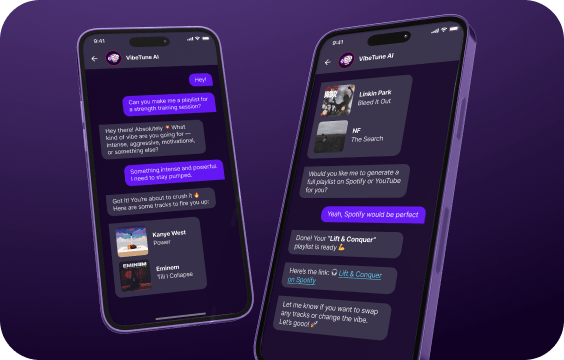
AI integrations help enterprises automate repetitive operations, process large volumes of data, and reduce manual decision time. Common use cases include intelligent document processing, internal assistants, predictive analytics, workflow automation, fraud detection, and AI-powered search across enterprise systems.

Internet of Things IoT
Internet of Things

Enterprise IoT connects physical devices and operational infrastructure to software in real time. Typical applications include equipment monitoring, asset tracking, predictive maintenance, warehouse automation, and live operational data collection from industrial environments.

Augmented reality
Augmented reality

AR adds digital information to physical environments and is often used where employees interact with equipment, infrastructure, or spatial data. Enterprise use cases include maintenance support, warehouse navigation, field service assistance, and interactive training environments.

Virtual reality
Virtual reality

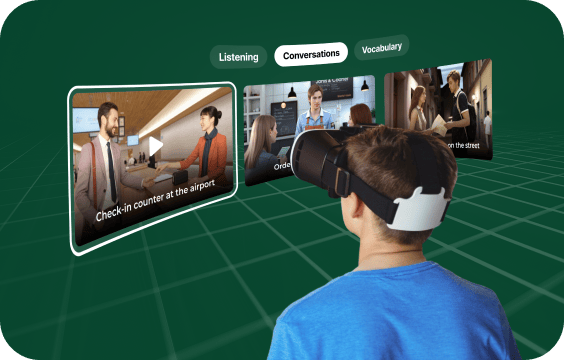
VR creates fully simulated environments for training, collaboration, or operational modeling. In enterprise settings, it is commonly applied to workforce training, safety simulations, equipment operation scenarios, and virtual collaboration for distributed teams.

Why go for custom enterprise software development?

Custom enterprise software development services are highly beneficial as they provide solutions based exactly on how your company operates. Below are the key reasons why it is so valuable.

Off-the-shelf software is designed to serve a broad market, which means it usually supports only standard workflows. As a result, enterprises often end up adapting their operations to fit the software instead of using software that supports how the business actually works.
Custom enterprise software solves this by being designed around your exact operational model. Instead of forcing teams into inefficient workarounds, the software reflects your approval structures, reporting methods, operational logic, and department-specific needs.

Custom software changes the financial model from recurring dependency to long-term ownership. Once the system is built, the enterprise gains more predictable operating costs and avoids paying escalating licensing fees year after year. In many cases, enterprises also reduce costs by consolidating multiple tools into a single internal platform.

Enterprises in regulated industries often need very specific compliance processes. Generic software may not fully support these requirements. In turn, custom software allows compliance, audit trails, security controls, and governance policies to be built directly into the system.

Third-party vendors control pricing, features, updates, and product direction, which creates dependency on external decisions. As a rule, a custom enterprise software development company gives you full control over functionality, security, infrastructure, and future development.

Large enterprises often operate with many disconnected systems across departments. Different teams may rely on separate platforms that do not communicate effectively with each other, making it difficult to maintain a single, accurate view of the business.

In contrast, custom enterprise software makes it possible to unify systems, workflows, and data within a centralized architecture.

Our software development process for enterprises

Enterprise software development affects existing infrastructure, internal workflows, and business operations. Because of this, the process must remain structured from the first architectural decisions to long-term system support after release.

The project starts with analysis of the current environment and the business context behind it. We identify what limits the existing system, where operational risks appear, and what technical approach fits the project best.

Once the scope becomes clear, we design the system architecture. At this stage, we define how services interact, how data moves through the system, and how the platform should scale over time.

The development team works simultaneously on the interfaces and functionality of the system. Development follows the approved architecture and focuses on stable behavior under real operational conditions.

Enterprise software usually depends on multiple connected systems. So, we connect the system with the existing infrastructure and configure security mechanisms based on the environment and access requirements.

Before deployment, the system goes through validation in conditions close to production. This helps detect unstable behavior, performance issues, and integration problems before release.

Deployment is planned around infrastructure stability and business continuity. Depending on the system, rollout can happen in stages to reduce operational risk.

After release, the system requires ongoing technical support. We monitor production environments, resolve issues, and maintain infrastructure stability in the long run.

Business requirements change over time, and enterprise systems should as well. Therefore, we continue improving the platform as new operational needs and technical dependencies appear.

Case studies

The following case studies show how we develop solutions for real business environments and what results the systems deliver after deployment.

Clients' thoughts about our services

Technologies we work with

Over the past years, we’ve built a team of engineers who are experienced in a wide range of technologies. They work with these tools every day and know them in depth, which allows us to choose and use the right stack for each project.

Deep learning frameworks

  • TensorFlow
  • PyTorch

LLMs & APIs

  • OpenAI (GPT)
  • Anthropic (Claude)
  • Google (Gemini)

Frameworks and libraries

  • Node.js
  • Express
  • NestJS
  • ASP.NET
  • Java EE
  • Spring
  • Django
  • Flask
  • Qt
  • Next.js

Programming languages

  • JavaScript
  • TypeScript

Mobile technologies

  • Kotlin
  • Java
  • Swift
  • Kotlin Multiplatform
  • Flutter
  • React Native

Cloud

  • AWS
  • Microsoft Azure
  • Google Cloud Platform

How we de-risk enterprise engagements

Enterprise systems are not for trial-and-error development. At Bamboo Agile, senior architects lead the technical direction from the start, which helps avoid costly mistakes, unstable architecture, and scalability problems later in the project.

The same architect stays involved in your project from planning to launch and post-release support. This gives the enterprise one consistent technical lead who understands the system in depth and can resolve issues faster without repeated onboarding or loss of context.

Enterprise projects often fail because requirements become unclear or constantly change without structure. We define the scope in writing, establish technical requirements during a fixed-fee discovery phase, and manage all changes through a transparent approval process. As a result, you get better budget control, clearer expectations, and fewer delivery risks.

At Bamboo Agile, we consider regulatory, audit, security, and governance requirements throughout the entire software development lifecycle. This includes alignment with ISO 27001, SOC 2, GDPR, HIPAA, and PCI DSS depending on industry and jurisdiction. This reduces compliance gaps, simplifies audits, and lowers the risk of costly changes after development is complete.

We design the platform with secure access controls, data protection, infrastructure security, and secure coding practices already in place. This helps reduce vulnerabilities and protects sensitive enterprise data and operations.

The enterprise keeps full control over the platform beyond the engagement itself. Documentation, handover processes, and clear exit terms ensure that internal teams can operate, maintain, or transition the system on their own.

Our experience across industries

Our team designs enterprise software solutions that align with industry-specific processes and compliance requirements.

FAQ

What is enterprise software development?

Enterprise software development is the process of creating custom digital solutions for large organizations such as companies, banks, hospitals, or governments. These applications are usually designed in such a way that they are secure, reliable, and can work with many users at the same time. Examples include payroll systems, customer management platforms, and internal company tools.

What are the common challenges in custom enterprise software development?

The most common challenges include integration with legacy systems, processing large amounts of data, ensuring security and compliance, and adapting software to meet changing business requirements. Moreover, enterprise projects also require careful planning for scalability, adaptation to user requirements, cross-industry workflows, and ongoing maintenance.

How much does it cost to develop custom enterprise software?

The cost of custom software development for enterprises depends on:

  • project complexity
  • required integrations
  • number of users, features
  • development timeline. 

Small-to-mid enterprise platforms may start around $30,000–$50,000, while large-scale systems with advanced functionality, automation, or AI capabilities can exceed $200,000.

Below are realistic cost and timeline ranges based on the projects we deliver.

Project type Typical cost range Timeline
Internal tool or admin dashboard $40,000 – $120,000 2–5 months
Workflow automation system $80,000 – $250,000 3–7 months
Custom CRM $80,000 – $300,000 4–12 months
Custom CMS or LMS platform $100,000 – $400,000 4–12 months
Business intelligence platform $120,000 – $500,000 4–12 months
Legacy system modernization $150,000 – $1,500,000 6–18 months
Mid-market custom ERP $250,000 – $800,000 9–18 months
Large-scale enterprise platform $500,000 – $3,000,000+ 12–36 months
What are the engagement models in enterprise software development companies?

Common engagement models include dedicated development teams, fixed-price projects, and time-and-material contracts:

  • Dedicated team: a company hires a team of developers that works like an extension of its own staff for long-term projects or ongoing product development.
  • Fixed-price: the project scope, timeline, and cost are agreed on in advance, which works best when requirements are very clear. 
  • Time and materials: the client pays to an agency based on the actual time and resources used, giving more flexibility when requirements may change during development.

Explore more insights on the topic

Bring the right enterprise software development team into your project!

Ready to discuss your enterprise software needs? Get in touch and let’s figure out the right solution for your business.

Our consultant

Natalia Minayeva
Strategic Partnerships Executive

They trust us

trusted us